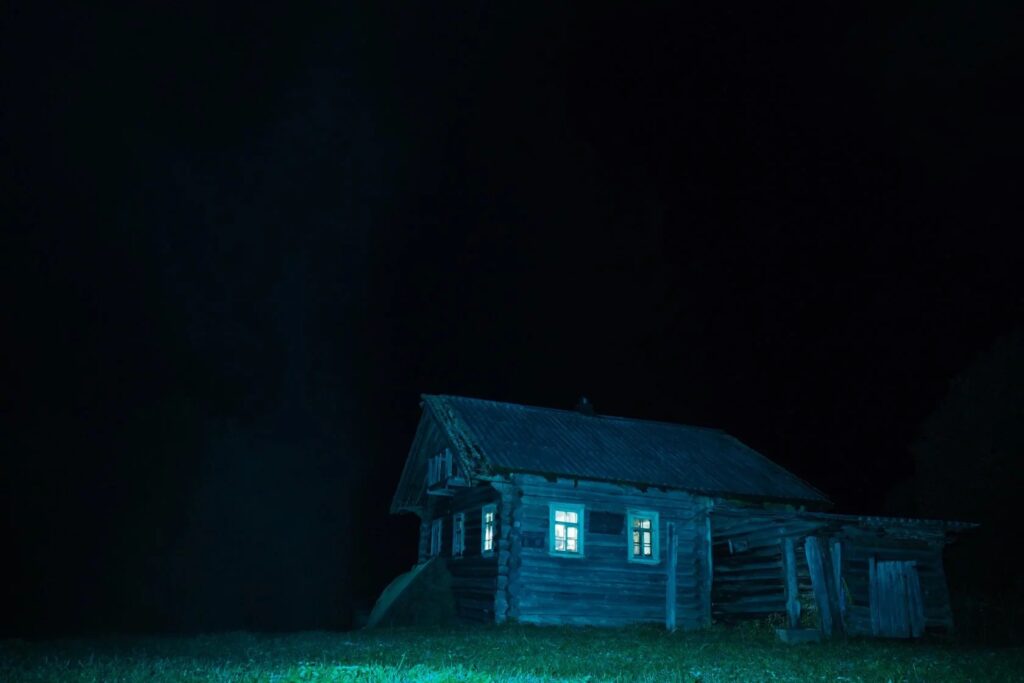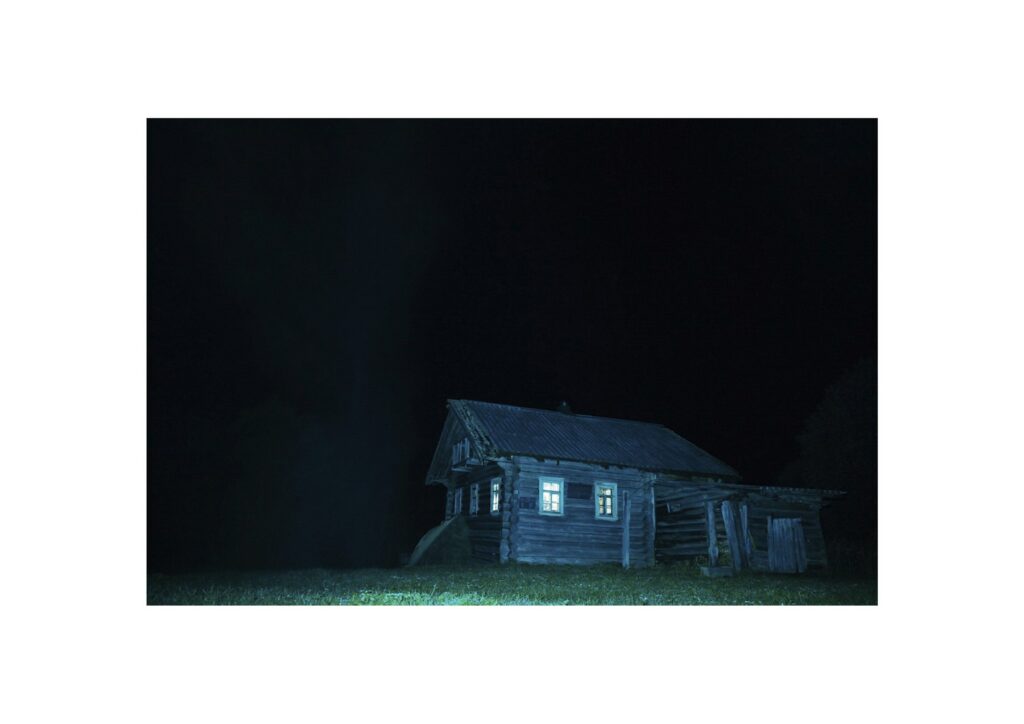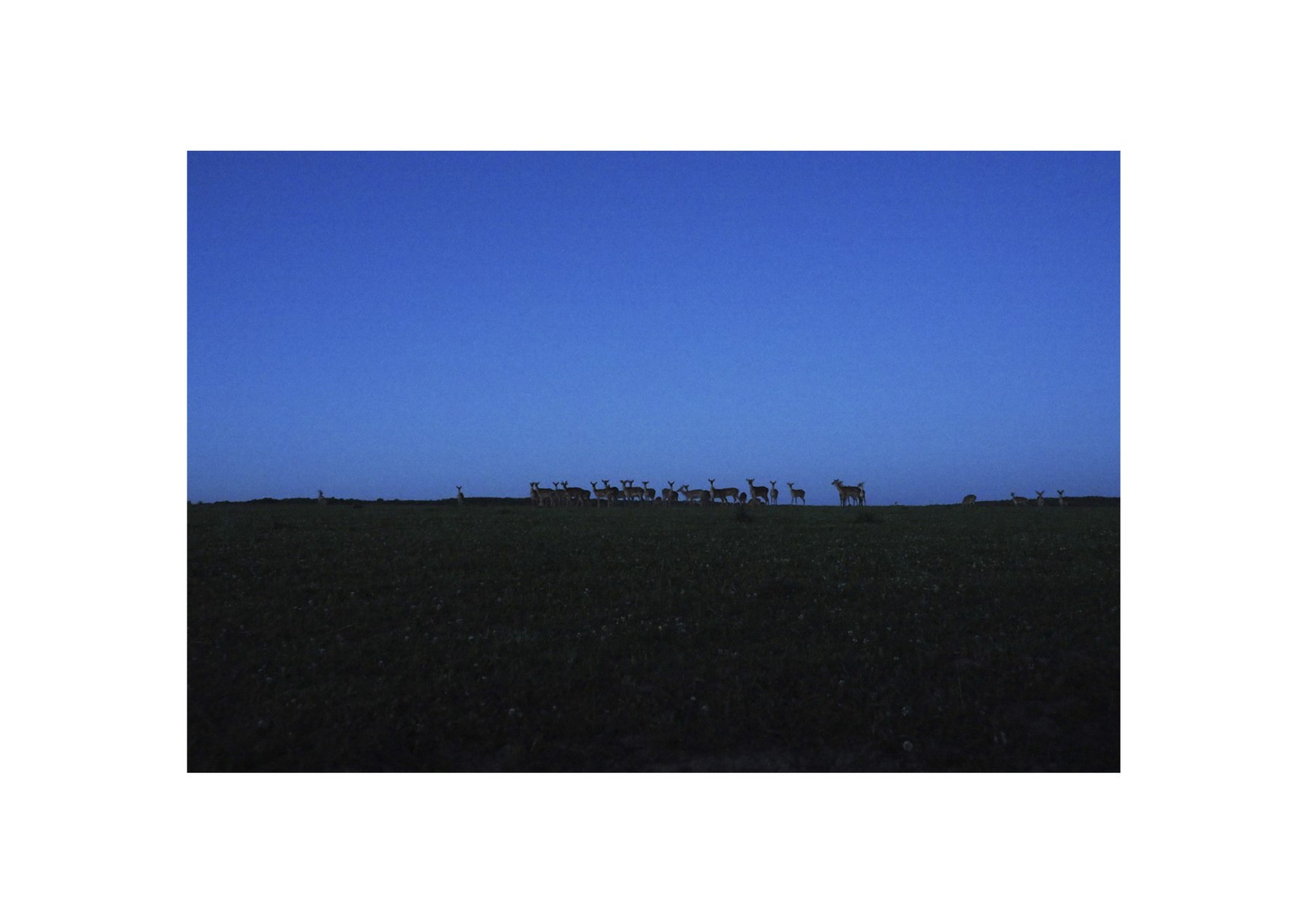
When I first found myself on the territory of the Vepsian forest (the original center of settlement of the Vepsian people), in the village of Noidala, I saw only dilapidated log houses. Now no one lives there, although about 150 people lived there 100 years ago. Over the next two years, I visited 10 more abandoned Vepsian villages.
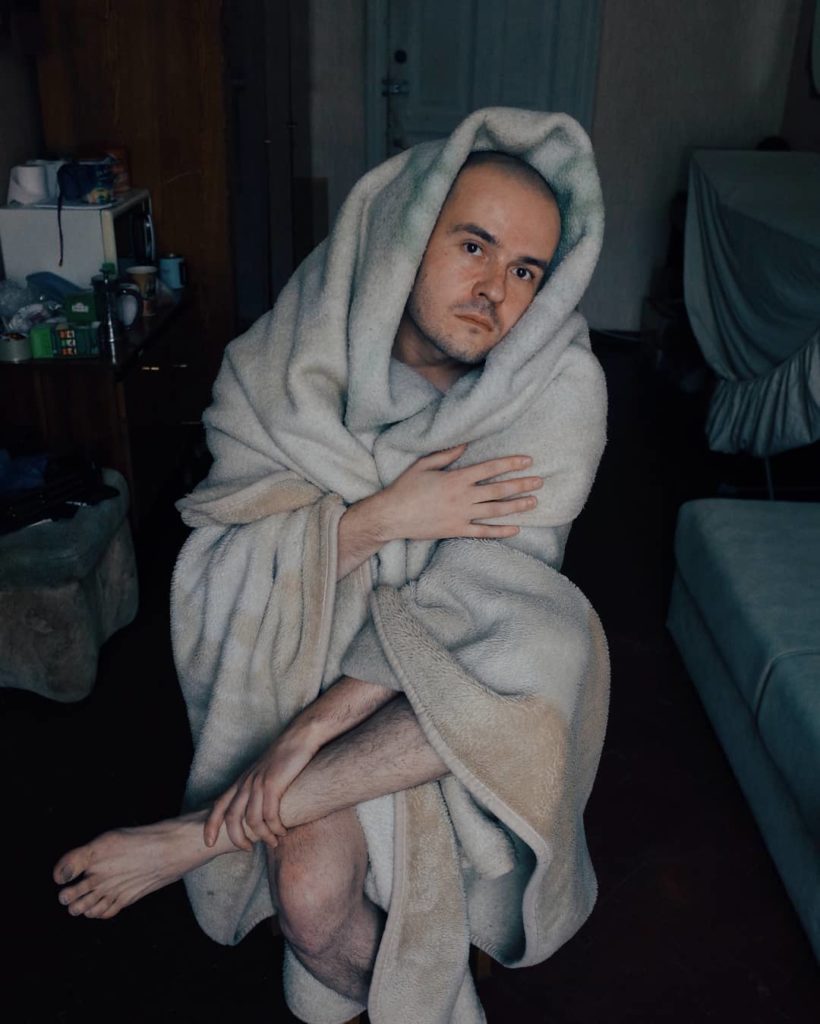
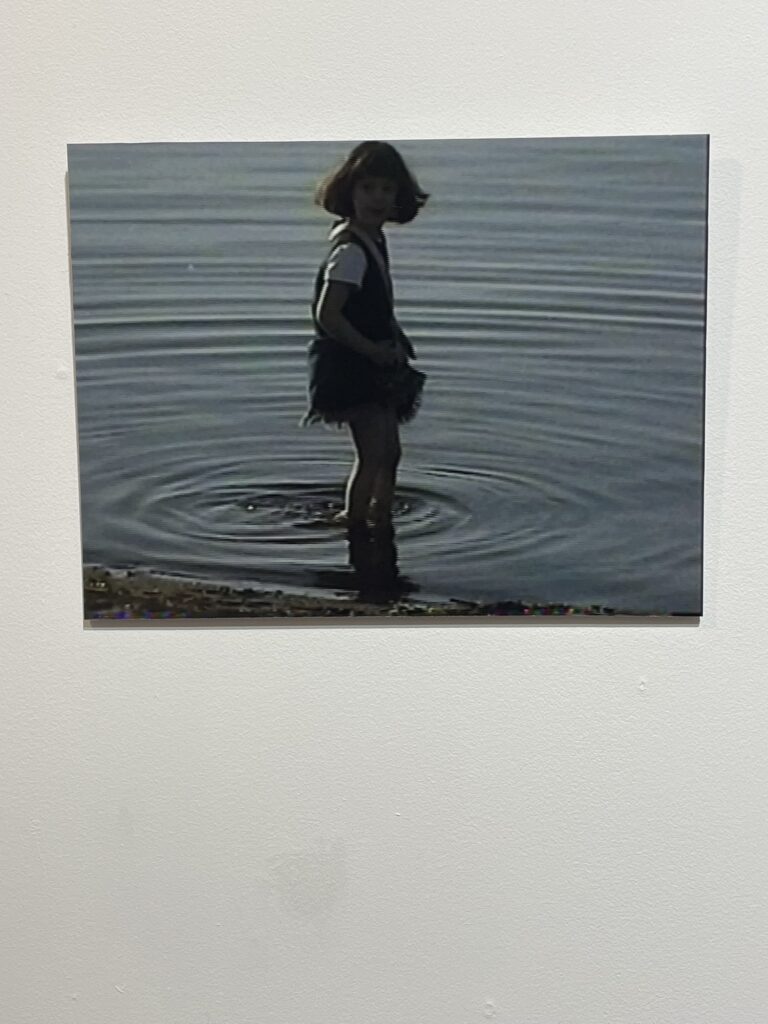
During my travels through the abandoned Vepsian villages, I explored how the past shapes the present: I projected archival photographs taken in these places about 100 years ago onto the log houses of dilapidated houses, turned to Vepsian mythology, the Vepsian epic and rituals, imagined myself as a Vepsian and tried to relive the trauma of the people, repeated the path by which the people left the Vepsian forest - to Oshta, Vinnitsa and other large regional centers. My intervention to some extent repeats the actions of the state - it is repressive both in relation to the place and in relation to me. I, as a person without a specific local/regional affiliation, without belonging to a small nation, felt the desire and need to appropriate someone else’s identity, history, pain and trauma of the Vepsian people. Why do I need it? After all, this desire borders on impossibility. It seems to me that a sense of connection with one’s native land, one’s roots, is a necessary condition for a person’s self-identification, even in the conditions of the formation of a modern “network” society of “tourists”